
OnlyFans free pages promise zero-dollar entry, and that promise is accurate at the subscription line only. The creator sets the base price to $0, then earns through pay-per-view messages, tips, and paid chat instead. BestOnlyFans tracks how that shift changes what followers actually spend each month. BestOnlyFans refreshes its rankings every month.
It maps where costs accumulate, compares variable spending against fixed subscriptions, and uses platform-confirmed pricing rather than assumptions.

How Free Pages Generate Revenue Without Subscriptions
The primary engine is the pay-per-view message, where locked content is sent directly to followers and each unlock carries its own price.
Platform guidance places PPV unlocks at up to $50, with most single messages sitting well below that ceiling. Because each exchange carries a charge, a long conversation can cost more than a monthly subscription in one sitting.
Tips form the third stream, and on a free page they often function as a way to request attention or a specific reply. Tips can reach $100. The platform takes a 20% cut of everything and the creator keeps 80%.
Tip: before following a free page, check whether the creator relies mostly on PPV messages or mostly on tips. Pages built around frequent locked drops tend to cost more per month than pages that post openly and treat tips as optional.

Where Subscriber Spending Actually Happens on Free Pages
The list below covers the five places where money most often leaves a subscriber’s account.
- Locked photo and video bundles: grouped content sent as a single PPV message, often priced higher than individual unlocks.
- Pay-per-view direct messages: one-off unlocks that can reach $50 per message depending on the content.
- Custom content requests: personalized material priced at the creator’s discretion, usually above standard PPV rates.
- Live stream tipping: real-time payments during broadcasts, where tips can reach $100 and accumulate quickly across a session.
- Voice notes and exclusive chat unlocks: paid chat at $3-$5 per message, plus separate fees for premium audio or private threads.
Each touchpoint is optional in isolation. The problem is sequence: each unlock resets the sense of what a normal monthly spend looks like. Someone who unlocks four $12 bundles and sends twenty paid messages at $4 each has spent $128 without ever paying a subscription fee.
Because there is no built-in discovery feed, followers often land on several free pages at once and spread small purchases across all of them. That fragmentation makes the total harder to see than a single recurring charge ever would.

Comparing Budget Predictability: Free vs. Paid Access Models
A paid subscription has a fixed base cost, known before you commit, and the feed is included in that price. A free page inverts the structure: the base is zero and the ceiling is whatever you allow.
| Cost Factor | Free-Page Model | Paid Subscription Model |
|---|---|---|
| Monthly base cost | $0 | Fixed, $4.99-$49.99 |
| Typical spend range | Variable, $0-$50+ | $4.99-$15 in most cases |
| Cost predictability | Low | High |
| Content access method | PPV unlocks | Included in the feed |
| Message costs | Per-message fees, $3-$5 | Often included |
| Total monthly exposure | Unlimited and variable | Capped at the subscription rate |
Promotional first months can sit below $4.99, such as a $3 introductory month, though the base price itself may not go under $4.99. A subscriber who follows a free page and never unlocks anything spends nothing, while someone on a paid page at $9.99 pays that amount whether they log in or not.
Average paid tiers cluster around $5-$10, which means a free page only needs two or three mid-priced unlocks a month to match a typical subscription. That comparison is the single most useful check before deciding which model suits you.

The Role of Ranking Data in Free-Page Discovery
There is no browse page that surfaces new creators, which is precisely why ranking and review sites exist. BestOnlyFans builds its rankings around observable patterns rather than promotional claims, and for free pages the methodology weighs activity levels and PPV density indicators.
The table below maps five ranking signals to what they indicate and how a subscriber can use them before following.
| Ranking Signal | What It Indicates | Subscriber Action |
|---|---|---|
| PPV density markers | Frequency of locked content | Estimate monthly unlock volume |
| Activity timestamps | Posting consistency | Judge how often new paid messages arrive |
| Price history presence | Promotional and pricing patterns | Anticipate future base price changes |
| Engagement ratios | Likes per post relative to followers | Gauge real audience activity |
| Content type tags | Categories linked to pricing bands | Match spending expectations to interests |
These signals are directional, not definitive. A page with heavy PPV density may still post most content openly, and a quiet page may send one high-priced unlock per week. The value is in comparing several pages before committing attention to any single one.
Common Spending Patterns That Inflate Free-Page Bills
It comes from repeated small ones, and the four patterns below are ranked by typical impact on a monthly bill.
- Responding to urgency-limited PPV offers: countdown pricing creates pressure to unlock immediately, often before you have decided whether the content matters to you.
- Maintaining ongoing chat threads with per-message fees: at $3-$5 per message, a daily conversation becomes a recurring subscription by another name.
- Unlocking sequential content drops that tell a story: each installment feels incomplete without the next, pulling spending forward across weeks.
- Tipping for priority responses or shoutouts: tips can reach $100, and repeated small tips for attention add up faster than most subscribers track.
Reviewed together at month’s end, they often exceed what a paid subscription would have cost.

Protecting Your Budget During Free-Page Exploration
Free pages reward planning more than willpower. Setting structural limits in advance removes the need to resist individual offers in the moment.
- Load a prepaid card with a hard limit: once the balance is gone, further unlocks fail automatically.
- Block weekly spending review time: a short calendar slot to total PPV unlocks, messages, and tips keeps the real number visible.
- Apply a pause rule between purchases: wait a set period before any unlock above a threshold you choose.
- Cap wallet credit instead of billing a card directly: a fixed wallet balance creates a natural ceiling.
- Set a follower threshold for new page trials: limit how many free pages you follow at once so spending stays trackable.
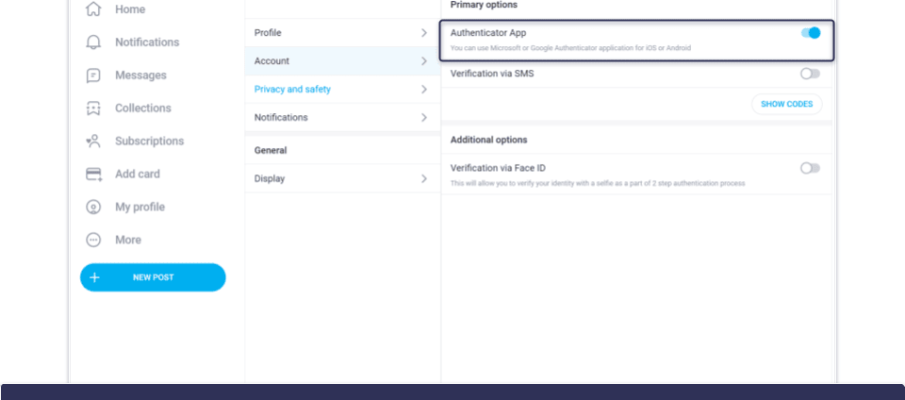
Payment security matters alongside budget control. Card details can be exposed through convincing messages that imitate platform notices, a pattern known as phishing, so verify any payment request inside the official interface before acting on it. Account settings deserve attention too, since leaked credentials are a common route to unauthorized charges. Two-step authentication adds a layer between your payment methods and anyone who obtains your password.
When you want a permanent copy of content you have already unlocked, a subscription downloader tool such as the onlyfans free content downloader lets you save your purchases locally. That way a later price change or page deletion never removes access you paid for.
When Free Pages Convert to Paid: What Changes for Subscribers
Creators can change a page’s pricing at any time, including adding a base subscription where none existed. When a creator raises the price, auto-renew stops and existing access lasts until the paid period ends, which gives you time to decide whether the new rate is worth keeping.
- Accept the new subscription rate: continue following at the updated price, typically within the $4.99-$15 band.
- Manually follow without auto-renew: keep access for one period and reassess before the next charge.
- Unfollow before the conversion date: exit while the page is still free and avoid any charge entirely.
- Migrate to the creator’s separate paid page: some creators run both a free and a paid page, letting you choose the model that fits.
If you paid for content during the free period, that access is not affected by a later pricing change. Treat each conversion notice as a scheduled moment to recheck your numbers, and remember that card verification holds of $0.10 are refunded within days and are not a spending risk.
Evaluating Whether Free Pages Match Your Usage Style
The right model depends on how you actually use the platform, not on which one sounds cheaper.
- How often do you visit? Daily browsing on a free page usually means more exposure to paid offers.
- Do you prefer passive browsing or interactive messaging? Chat-heavy habits fit paid pages better, where messages are often included.
- How well do you tolerate spending unpredictability? If a variable bill causes stress, a fixed subscription is easier to manage.
- Do you want specific creator relationships or broad sampling? Free pages make sampling cheap and depth expensive.
- Will you track variable expenses monthly? If not, the predictability of a paid tier is the safer choice.
A simple rule works for most people: if your monthly free-page spending regularly exceeds $15, move the creators you actually follow to paid subscriptions and drop the rest. If you spend under $5 and enjoy the flexibility, the free model is doing its job.

The wider platform context supports that approach. OnlyFans grew from a niche service in 2016 to a mainstream one, with user growth surging sharply in 2020 and revenue climbing alongside it. That scale is why free pages now compete for the same attention as paid ones, and why spending discipline matters more each year.
FAQ
How do free OnlyFans pages earn money if they charge no subscription fee?
They earn from pay-per-view messages, paid chat at $3-$5 per message, and tips that can reach $100. The platform takes 20% and the creator keeps 80% of every transaction. A page can also add promotional paid tiers later without changing how existing followers were charged.
Can following a free page ever cost more than a paid subscription?
Yes. Paid tiers typically sit between $5 and $15 per month, while PPV unlocks can reach $50 per message. A subscriber who unlocks several bundles and holds long paid conversations can easily exceed a month of paid access without noticing.
What happens to my access if a free page I follow starts charging?
Auto-renew stops when a creator raises the price, and existing access continues until the current paid period ends. You can accept the new rate, follow manually without auto-renew, unfollow before conversion, or move to a separate paid page if the creator runs one.
How can I control spending when free pages use pay-per-view messaging?
Set a monthly cap, use a prepaid card or capped wallet balance, and review cumulative unlock costs weekly. Card verification holds of $0.10 are refunded within days and are not a spending risk.